The Pre-1400 World of Art (Part 1)
December 21st, 2011
In honor of the completion of my Western Art and Culture Before 1400 class, I am going to post images of works of art that influenced my thoughts the most.
Anybody that has taken any art history classes in general should be able to recognize the majority of these images rather quickly.
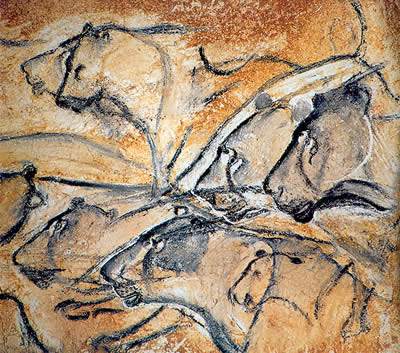 Chauvet Cave, France, c. 32,000-30,000 BCE (Prehistoric)
This cave is probably best explained and explored through Werner Herzog’s documentary titled Cave of Forgotten Dreams. This cave sparks a few interesting topics for debate. One being that Neanderthals 40,000 years ago were on the verge of greater sophistication. There’s evidence of musical instruments, personal ornaments, and signs of religious concept. Also what would influence a being from this time to go far back in to a deep dark cave and paint (from memory) the life forms witnessed in the world around them?
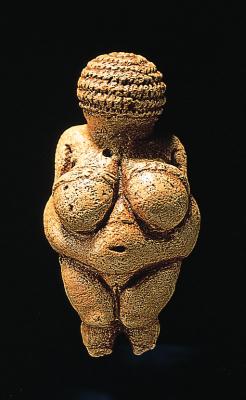 Venus of Willendorf, Austria, c. 22,000-21,000 BCE (Prehistoric)
A small (4″-5″) limestone statuette thought to be a fertility idle for those who carried it. Completely prehistoric so nobody understands who exactly created it or for what reason. This one is easily the most recognizable Venus but there were many Venus’ found throughout ancient Europe. A paleolithic Barbie doll perhaps. Either way, these Venus’ are the earliest representations of the human form.
Moving from Prehistoric into a time of written documentation, at the same time skipping the ancient civilizations of Mesopotamia, the Ancient Egyptians are by far the most interesting group of people to study. With the idealized imagery of their Pharaohs (Gods on Earth) and upper class citizens. To their use of hieratic scale and symbolism to show the importance of one person over others. To their carefully planned and twisted perspectives to show off all the best features of a certain individual, all at the same time.
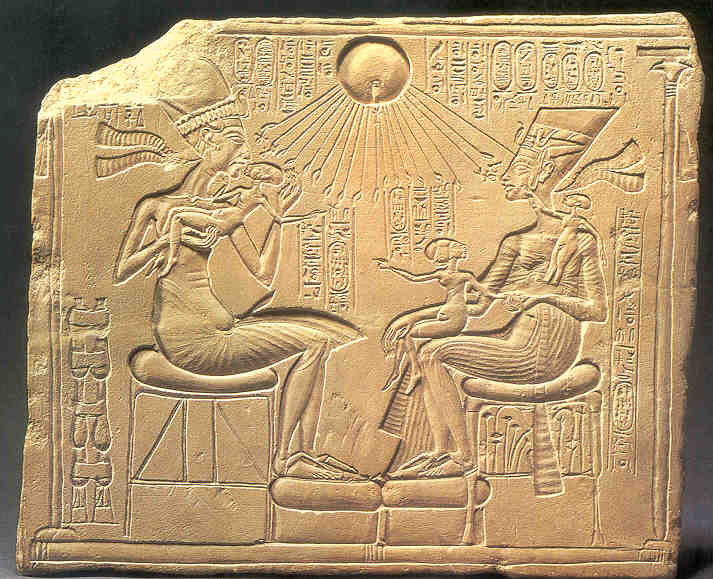 Akhenaten and His Family, 1348-1336 BCE (Armana Period)
Akhenaten is a particularly interesting Pharaoh, because up until his time, all the pharaohs before him were depicted with perfectly chiseled bodies and highly structured poses. Akhenaten is the first pharaoh to be portrayed as pudgy, often feminine leader with a slouching/irregular posture. He is also credited for turning a polytheistic Egypt into a monotheistic society worshiping Aten (the sun) and forgetting all other gods. At least during his time of ruling. After Akhenaten, Egypt quickly resorts back to monotheism.
It was also a new concept to see a Pharaoh depicted during such a personal and humanistic moment with his family. But take a look at his alien babies. Possibly a result of an incestuous marriage all to maintain the sanctity of the royal bloodline. Not just anyone could marry a Pharaoh, so often times, they would marry their sisters or even sometimes their daughters to keep the royal bloodline pure. Aten would be the sun disk in the middle shining favor down on to the Akhenaten family.
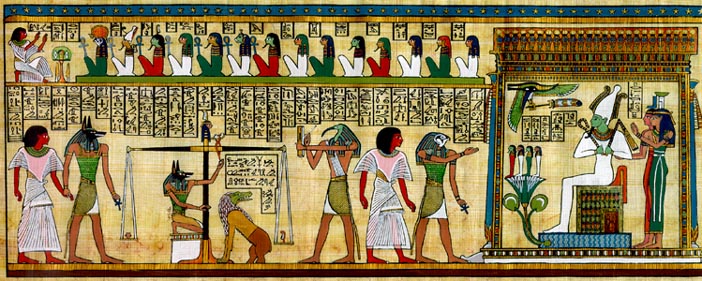 Judgment of Hunefer Before Osiris, Book of the Dead, 1275 BCE (New Kingdom)
Also sometimes called The Weighing of the Heart. I favored this image because of the correlation with the weighing of ones soul/sins in Christian Theology (which won’t exist for another 1,300+ years). The idea that the actions you commit here in this world will act as a determination on what happens to you in the next is a universal idea or concept. Probably to keep people from doing harm to others. This image even depicts a Death figure (Anubis) that acts as a guide for the dead. After being judged and approved, access to heaven is granted to stand before Osiris, for all eternity I suppose. There’s even a god that forever records everything that takes place. All fascinating concepts.
Coming Soon Maybe
Part 2: Classic Civilizations
Part 3: Early Renaissance
Category: School